The USB 3.0 Type-C camera represents a significant advancement in digital imaging technology, combining high-speed data transfer capabilities with a versatile connection interface. As the industry increasingly shifts towards USB Type-C due to its universal applicability and ability to deliver both power and data through a single cable, this camera type caters to professionals and hobbyists alike seeking modern solutions for high-quality image capture.
Expertly designed, USB 3.0 Type-C cameras harness the power of the USB 3.0 standard, enabling rapid transfer rates of up to 5 Gbps. This ensures that the large files produced by higher resolution sensors, such as those delivering 4K video or high-megapixel still images, can be quickly offloaded to storage devices or computers for editing or archiving. This efficiency is critical in professional settings, where time is of the essence, such as in event photography or video production.
The versatility of USB Type-C extends beyond speed. It supports a reversible connector, which simplifies connections, eliminating the frustration of incorrectly plugging in cables. This feature is especially beneficial for on-the-go photographers and videographers working in dynamic environments. Additionally, the USB Type-C interface can accommodate various compatible devices, including smartphones, tablets, and laptops, enhancing the camera’s functionality. Users can connect to a broader ecosystem of peripherals such as external microphones, lighting systems, or even power banks, further enriching the creative potential of their imaging projects.
Incorporating experience and user-centric design, USB 3.0 Type-C cameras often include advanced features like built-in stabilization, improved autofocus systems, and the ability to shoot in various formats. These enhancements make them suitable for diverse applications, from documentary filmmaking to commercial photography. Furthermore, manufacturers typically prioritize durability and ease of use, ensuring that these cameras can withstand the rigors of professional use while remaining accessible to less experienced users.
Authority in this domain is reinforced by the integration of innovative technologies, such as enhanced image sensors and advanced processing algorithms, resulting in improved low-light performance and dynamic range. As the landscape of digital imaging continues to evolve, USB 3.0 Type-C cameras stand at the forefront, providing a reliable and efficient choice for those seeking high-quality performance, rapid connectivity, and a future-proof design. In summary, these cameras meet the demands of modern imaging professionals and enthusiasts alike, ensuring they are well-equipped to capture stunning visuals in an ever-changing digital world.

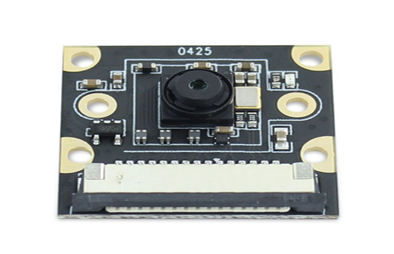
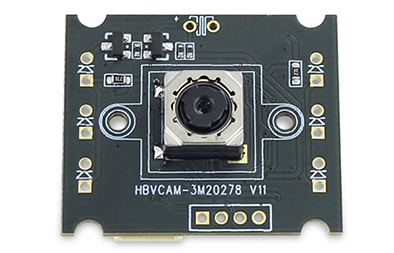
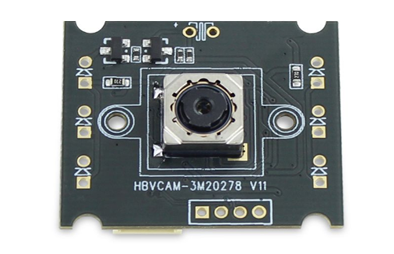
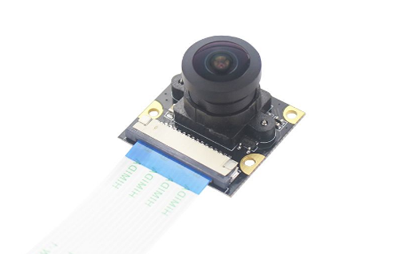
 Industrial grade USB camera